General Strikes In Portugal And Italy Show How To Fight
11 June 2026
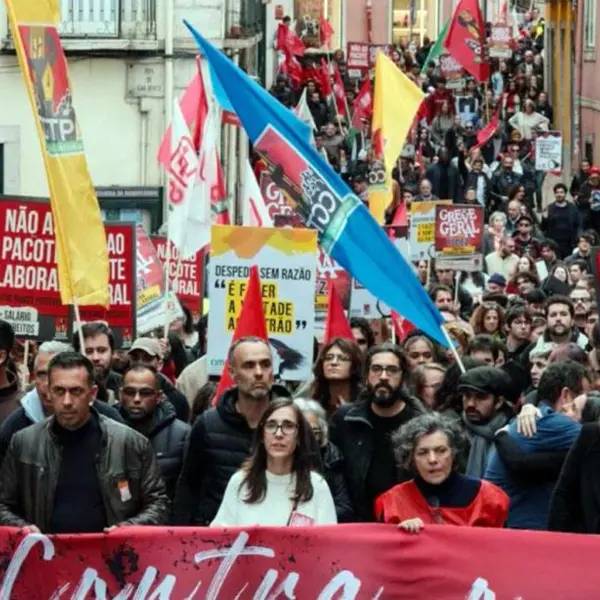
Portugal had its second General Strike in 6 months as workers shut the country down on Weds June 3rd in response to the Thatcherite government’s attempt to change 100 items in the labour code, a massive attack on workers.
This move by the minority right wing government was supported by the far right Chega movement, which is showing its anti-worker credentials. João, a union shop steward and worker in the Volkswagen plant in Setubol, said: “In my factory, when we held two big assemblies before the general strike, workers voted unanimously to support it.”
More than two dozen trade unions cooperated to deliver the shut down with major protests by workers across all major cities and towns.
Italian workers had a General Strike at the end of May. Workers took to the streets to protest declining real wages, the skyrocketing cost of living, and cuts to public welfare programs. The far right Italian government of Giorgia Meloni demonstrating that they are just another vicious bunch of puppets of the bosses.
There was a nationwide dock strike on June 10th and a nationwide rail strike on June 11th. Major street demonstrations and rallies took place in more than 75 cities across Italy.
The Italian strike movement is also directed against shipments of arms from Italy to Israel and dockworkers have taken a very militant stance by blocking ports and preventing shipments.
A general strike against government policy is viewed by Irish courts as an illegal political strike, banned by the 1990 Industrial Relations Act. Theoretically, every single union in Ireland could serve separate, individual dispute notices to their respective employers on the exact same day regarding inflation or wage degradation. This would effectively create a general strike.
But the bureaucrats who lead our unions don’t want to fight and the 1990 Act offers them an excuse. To get to the point where we could coordinate action in dozens of workplaces, creating a national strike, we’d need militant grassroots workers organised in every union and embedded in all those workplaces.
It’s going to take a lot of work to get to that point but us workers in the Red Network aren’t afraid of rolling our sleeves up to get to the point where we can actually force nationwide use of working class power to not only bring the government to heel on the cost of living but also to put workers in the driving seat of a planned economy, where we call the shots.
 RED NETWORK