Care Worker: We Need All Out Strike To Beat Government
12 September 2026
The current impasse over public sector pay has been decades in the making. Trade union leaders got too cozy with our employers during the social partnership years. Pressure on workers has been building with an escalating cost-of-living crisis since Covid and this has forced union bosses into action in the last two years.
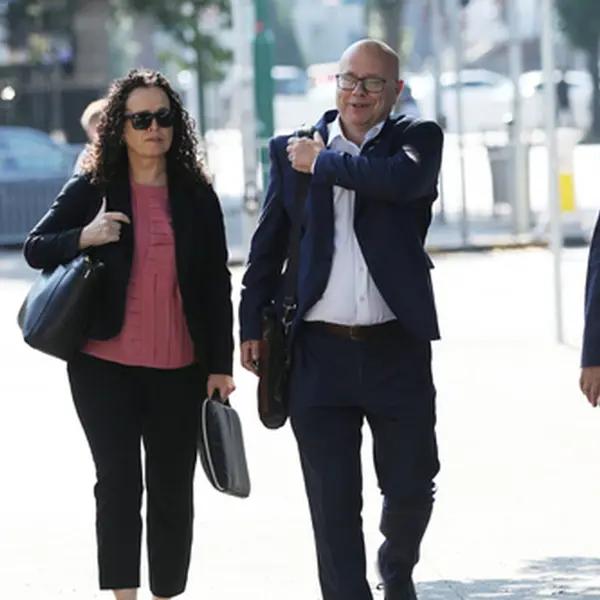
They have treated workers as a prop, something they drag out for token short strikes. But as soon as a whiff of the negotiation table comes, they put workers back into a box.
“The men in suits will take it from here at the negotiation table!” We are kept in the dark about a dispute for months, then all of a sudden there’s a flurry of action then its back to radio silence.
“Don’t worry, the men in suits are sorting it out behind closed doors!”
Think about every recent dispute – the school secretaries and caretakers, the succession of public pay deals, the Special Needs Assistants contract review, the Section 38 and HSE hospital campaign over the HSE “Pay and Numbers strategy” cap on hospital jobs.
The list is not exhaustive but each dispute was not resolved in the worker’s favour. There is still a cap in place on jobs in hospitals, the SNA’s are in limbo their contracts, the school secretaries and caretakers did not get pension parity or pay equality.
All that fight only for our leverage to be pulled in hopes of talks leading to demoralised workers. Every time the union strategy played directly into the governments hands.
Workers must keep this in mind going into the new public sector industrial action and demand a harder line from our unions. Do not pull the plug on industrial action to show good faith ahead of talks. We need a concrete agreement ahead of the fight of what it is public workers are asking for.
An actual number on a pay increase is the first thing that should be defined but months on from the last pay agreement ending this has not been agreed to by the unions leading the fight. They have not even agreed on a specific pay increase to demand.
The government changed tactics after the last election and have given up all pretence of a “working relationship” with unions. Our union leadership has gone soft over the last 40 years of social partnership.
They capitulated during the austerity years and the below inflation pay increases they gladly took since Covid have meant a pay cut in real terms for workers. Our union leaders are desperate for government negotiations and for the old cozy relationship to return.
A strike is the last thing they want to happen, but they must talk tough or risk losing more members. Unions in Ireland have decreased in density from around 36% in 2003 to 25% today with density being the percentage of workers who are union members.
Is it any surprise that workers are leaving unions when our pay has got worse and our union leaders refuse to fight and tell us accept the scraps, it’s the best we can hope for. This government has their number and has the time now to call their bluff.
James Connolly wrote many times that trade unions themselves alone aren’t enough to win real concessions for workers. They need fighters leading the charge, in his words: “men and women with the proper revolutionary spirit.” Anything less “was as likely to create new obstacles in the way of effective warfare.”
Back in 1914 when he wrote this, he was dealing with the same type of union man dressed in a suit arguing for restraint that we are today.
Public sector workers are at breaking point. Fórsa’s 2024 survey of health care workers showed that half are “almost” or “always” feeling burnt out and 67% are actively considering quitting their jobs.
Workers have borne the brunt of four decades of neoliberal cuts, outsourcing and increased bureaucracy in the public sector. The leadership of our unions have backed down from confronting the government in each important dispute over the last few years.
Workers are willing to fight and this time must be different. Socialists need to intervene to drive on workers and to challenge the bureaucracy and the naysayer officials who are reluctant to fight.
When there was no deal on the table from the government side earlier this year the union leadership was forced to ballot for industrial action. This was dragged out from the expiration of the previous pay deal in June all the way into September. Months of a process while workers suffer in a cost of living crisis. This lack of urgency is on purpose.
Here are your men in suits creating obstacles in effective industrial warfare. The government are laughing at us. Our unions have become a mechanism for “suppressing all manifestations of revolutionary activity, or effective demonstrations of brotherhood. Every appeal to take industrial action on behalf of a union in distress is blocked by insisting upon the necessity of ‘first obtaining the sanction of the Executive.’”
Written in 1914 but does this sound familiar?
Our unions are run by small, elected executives who meet a few times a month but where are the mass meetings where they have to answer to workers. Where is the true democracy and debate?
When it was clear in May 2026 that no new pay deal was on the cards the work should have been laid to have schools closed in September 2026. They had the time to prepare yet the INTO only started the balloting process mid September. Imagine the pressure on the government if schools were closed?
This government does not fear workers and this time must be different. We must now as workers and members of our unions put pressure on our officials and leaders to not just posture to get these talks moving but to follow through with concrete action including strike action.
97% of Siptu members have voted for strike action. 99% of nurses have voted in favour and 96% of Fórsa members have backed industrial action. Our decision is clear. The time is now to make this government fear workers.
 RED NETWORK